How a Tucson Remodeling Contractor Delivers Modern Upgrades
Remodeling Contractor Secrets: How to Ensure a Smooth Renovation Process
Navigating a home renovation can be difficult. Property owners often face unexpected hurdles that can complicate the process. Choosing the right home improvement contractor is essential for avoiding common pitfalls. Clear expectations and effective communication can make a significant difference. Yet, many miss essential steps that can lead to frustration and delays. Understanding these valuable tips can help streamline the journey and ensure a positive result. How can homeowners best prepare for these challenges?
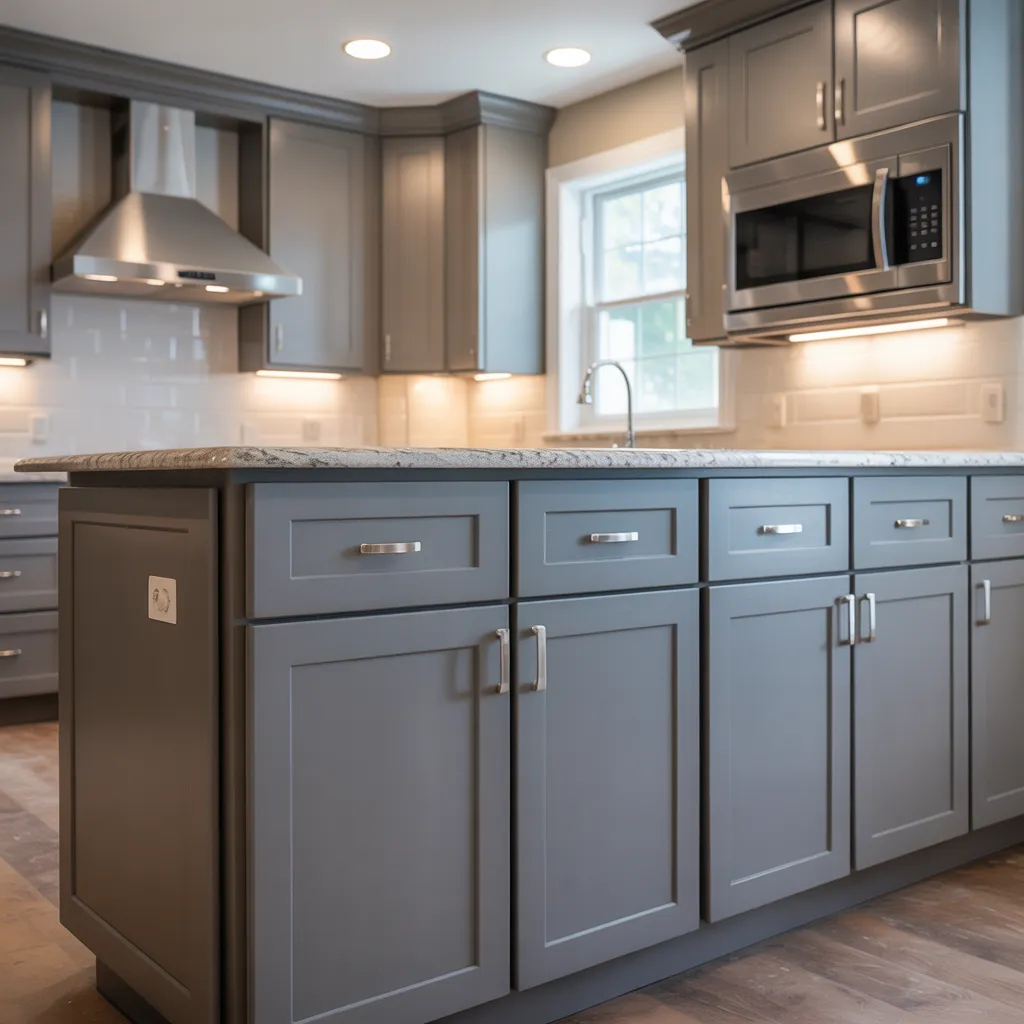
What a Remodeling Contractor Does
A home improvement contractor orchestrates the complex process of home remodeling projects, guaranteeing that work proceeds seamlessly from start to finish. This expert acts as the primary point of contact in overseeing various tasks, from initial planning to the finishing details. They demonstrate a comprehensive knowledge of building methods, construction materials, and regional regulations, which enables them to make well-reasoned judgments that affect the results of each project.
The contractor handles coordinating subcontractors, organizing work schedules, and monitoring the budget. They also act as a liaison between clients and tradespeople, addressing concerns and providing updates throughout the renovation process. Clear communication is vital, since it allows the client's goals to be matched with real-world execution. By coordinating schedules and upholding quality, the remodeling contractor reduces interruptions and improves overall productivity. At the core, their knowledge and direction are key to turning a client's remodeling aspirations into tangible results while maintaining a focus on safety and compliance.
How to Establish Clear Expectations for Your Project
Setting clear expectations is essential for the favorable outcome of any renovation project. Homeowners are advised to start by clarifying their goals and expected outcomes, ensuring all parties understand the scope of work. Comprehensive project descriptions serve to minimize miscommunications as the project progresses. Creating a reasonable budget is also a key consideration; it must incorporate provisions for any unanticipated expenditures.
Homeowners need to share their schedules, such as start and finish dates, which helps align contractor schedules. Reviewing the specific materials required and their accessibility can help define the project's scope more clearly. Scheduled updates can help resolve issues in a timely manner, strengthening a cooperative working environment.
At the end of the day, documenting all agreements and decisions can provide a reference point throughout the project, preventing misunderstandings. By defining these expectations clearly, homeowners can foster a more organized and efficient renovation process, guaranteeing that the completed project reflects their goals.
The Impact of Effective Communication
Clear communication acts as the foundation of any thriving remodeling endeavor, guaranteeing that contractors and homeowners stay on the same page throughout the process. This promotes transparency, permitting everyone involved to communicate their goals, preferences, and concerns freely. When communication is clear and consistent, misinterpretations can be avoided, which ultimately helps avoid costly delays and rework.
Contractors benefit from regular updates, enabling them to adjust timelines and resources as needed. Homeowners, in turn, gain reassurance via regular check-ins, staying better informed and connected. Effective communication also cultivates trust, a critical component for a productive and collaborative relationship.
Leveraging multiple communication methods, like phone calls, in-person meetings, and emails, helps accommodate different preferences and ensure that essential information is conveyed promptly. In the end, placing emphasis on effective communication not only elevates the renovation process but also supports reaching the intended results smoothly and successfully.
Key Questions to Ask When Selecting the Right Contractor?
How can homeowners guarantee they select a reliable remodeling contractor? To make an informed choice, they should start by asking critical questions. Homeowners ought to ask about the contractor's background and specialized knowledge in particular renovation projects, verifying that the professional holds the appropriate competencies for the job being considered. It is furthermore critical to seek out references and portfolio examples of completed work to evaluate both quality and trustworthiness.
Homeowners ought to confirm whether the contractor holds proper licensing and insurance, verifying their adherence to local rules and standards. Additionally, discussing the schedule and availability for the project helps set realistic expectations. Inquiring about any subcontractors and their credentials may also indicate the degree of professionalism to be anticipated during the project.
Finally, homeowners should request a clear payment structure and ask about guarantees covering both materials and labor. By raising these key inquiries, homeowners are better equipped to vet potential contractors and ultimately select the best match for their remodeling project.
Evaluating Contractor Proposals
When reviewing contractor proposals, it is important to analyze pricing frameworks to confirm budgetary consistency. Furthermore, reviewing project deadlines helps in assessing the practicality of every contractor's proposal. This systematic approach supports making informed decisions that can significantly impact the remodeling endeavor.
Compare Pricing Structures
Although comparing pricing structures can seem intimidating, homeowners must carefully examine contractor proposals to confirm they are getting the most value for their money. Various contractors may offer different pricing structures, such as set pricing, hourly billing, or cost-plus agreements. Property owners should consider not only the full costs but also the details covered in each bid. For instance, some quotes may cover materials and labor in detail, while others might list them separately, leading to unexpected expenses later. Furthermore, reviewing payment timelines and conditions can uncover possible financial concerns. By understanding these nuances, homeowners can make informed decisions and select a contractor whose pricing structure aligns with their budget and project expectations.
Evaluate Project Timelines
Evaluating project timelines is vital for homeowners looking for transparency in contractor bids, as postponements can significantly affect budgets and expectations. A thorough review of recommended timeframes enables homeowners to recognize possible delays and ensure that contractors maintain practical timelines. Homeowners ought to examine the anticipated start and finish dates across multiple proposals, carefully considering the individual stages of the work. It is wise to question regarding the contractor's approach for handling unexpected setbacks, such as environmental factors or logistical challenges. Clear communication regarding milestones can encourage reliability and clarity. By grasping the projected timeframe, homeowners can more effectively manage their anticipations and get ready for any changes necessary throughout the remodeling journey, ultimately leading to a smoother experience.
How to Stay on Track With Your Renovation
Staying on schedule during a renovation can significantly affect the total success of the project. To keep things moving, open communication between the homeowner and contractor is crucial. Setting up a thorough timeline with specific milestones helps everyone stay accountable. Regular check-ins can identify possible setbacks early on, guaranteeing that concerns are addressed in a timely manner.
Additionally, preparing for unexpected challenges, such as supply chain delays or weather-induced delays, enables increased flexibility in scheduling. It is also important for homeowners to ensure that decisions regarding materials and aesthetic decisions are finalized beforehand to prevent last-minute changes that may disrupt progress.
In conclusion, hiring a reliable contractor with a established reputation can significantly improve the chances of staying on schedule. A professionally managed team, armed with the right resources, will manage tasks efficiently, reducing delays and ensuring the project stays on schedule. Strategic scheduling and forward-thinking oversight are key components in ensuring the renovation finishes on time.
Frequent Remodeling Mistakes With Contractors
Successful remodeling projects necessitate not only effective scheduling but also an understanding of potential pitfalls that can emerge when working with contractors. A frequent concern is a lack of clear communication, which can lead to misunderstandings regarding budgets, project scope, and timelines. It is critical for homeowners to set well-defined expectations and keep communication channels open throughout the home improvement process.
Another common pitfall is failing to account for costs. Homeowners frequently fail to consider supplementary expenditures such as unexpected repairs, materials, or required permits, which can put pressure on finances. Moreover, the choice of contractor is critically important; hiring unlicensed or inexperienced contractors can result in subpar work or legal complications.
Lastly, failing to verify references and reviews can end up with the wrong contractors being hired. Homeowners should invest time in researching and vetting potential candidates to steer clear of setbacks and frustration. By acknowledging these potential errors, homeowners can shield their home improvement projects and achieve a more positive outcome.
Frequently Asked Questions
What Can I Do When My Contractor Fails to Meet a Deadline?
When a contractor fails to meet a deadline, the homeowner ought to reach out directly, expressing concerns and seeking clarification. Record the discussion, examine the contract for relevant clauses, and think about establishing a revised schedule or looking into other solutions if needed.
How Should I Deal with Unforeseen Costs During the Renovation?
To manage unexpected costs throughout the renovation process, it is advisable to thoroughly assess the agreement, speak transparently with the contractor, consider alternative options, and keep a contingency fund. Such a forward-thinking strategy assists in alleviating stress and guarantees smoother project progression.
Which Permits Are Required for My Remodeling Project?
To determine necessary permits for a home improvement project, you should review local building codes. In most cases, required permits can encompass zoning, plumbing, electrical, or structural authorizations, based on the project's scope and location regulations.
Can I Continue Living in My Home While the Renovation Takes Place?
Homeowners can frequently remain in their homes throughout renovations, but this largely depends on the extent of the project. Disruptions such as noise, dust, further information and restricted access can present difficulties, so thorough planning and open communication with your contractors are crucial.
How Should I Deal With Disagreements With My Contractor?
To address conflicts with a contractor, one should articulate concerns directly, be receptive to their viewpoint, find common ground, maintain written records of exchanges, and, should the need arise, pursue mediation to reach a satisfactory resolution for all involved parties.